Patterns with Flowers in Indoor Pots for Creative Design
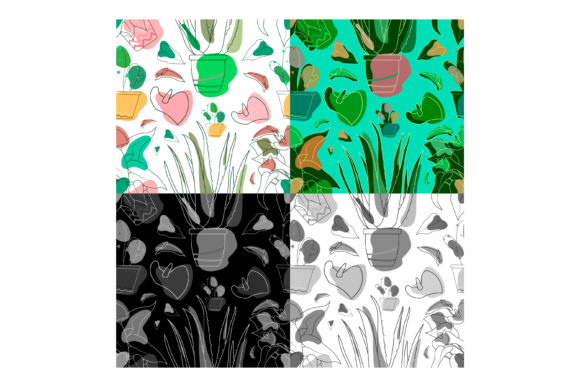
Patterns with flowers in indoor pots have become a popular choice for designers, artists, and manufacturers looking to incorporate natural elements into their work. These designs often feature detailed illustrations of potted plants, including exotic species like succulents and Mexican desert flora. The combination of floral aesthetics and the structured form of indoor pots creates a visually appealing and versatile pattern that can be applied across various mediums.
The use of such patterns extends beyond traditional home decor. They are commonly found in textiles, fabric prints, and even digital media. The seamless nature of these patterns allows them to be repeated without visible seams, making them ideal for large-scale applications. Whether it's for clothing, wall coverings, or stationery, the adaptability of these designs ensures they remain relevant in multiple industries.
One of the key advantages of using Patterns with Flowers in Indoor Pots is their ability to bring a sense of calm and natural beauty into any space. The presence of greenery, even in a decorative form, has been shown to enhance mood and reduce stress. This makes them particularly useful in environments where visual appeal and psychological well-being are important factors, such as offices, healthcare facilities, and educational institutions.
Characteristics of Floral Patterns in Indoor Pots
Floral patterns featuring indoor pots typically showcase a range of plant types, from common houseplants to more unique species. Succulents, known for their resilience and distinctive shapes, are a frequent subject in these designs. Their thick leaves and compact forms lend themselves well to stylized illustrations, allowing for creative interpretations that highlight their natural features.
Mexican desert plants, such as cacti and agave, also appear frequently in these patterns. These plants are characterized by their bold textures and geometric forms, which provide an interesting contrast to the softer lines of traditional flowers. When combined in a single design, they create a dynamic visual balance that appeals to a wide audience.
Vector-based illustrations are often used to create these patterns, ensuring high-quality scalability and clarity at any size. This format is especially beneficial for commercial applications where precision and consistency are essential. The vector format also allows for easy customization, enabling designers to modify colors, spacing, and layout without compromising the integrity of the original design.
Applications of Flower-in-Pot Patterns
The versatility of Patterns with Flowers in Indoor Pots makes them suitable for a variety of applications. In the textile industry, they are used to print on fabrics for clothing, home furnishings, and accessories. The repeating nature of the pattern ensures that each piece maintains a cohesive aesthetic while allowing for individual expression through color choices and material selections.
In interior design, these patterns can be incorporated into wallpaper, curtains, and upholstery. They add a touch of nature to modern spaces without overwhelming the overall design. For instance, a living room with neutral tones can be enhanced with a floral patterned throw pillow or a set of cushion covers, creating a warm and inviting atmosphere.
Digital platforms also benefit from these patterns. Graphic designers may use them as backgrounds for websites, social media posts, or mobile app interfaces. The organic feel of the design helps to create a visually engaging experience that resonates with users seeking a connection to nature in their digital interactions.
Considerations for Using Flower-in-Pot Patterns
When selecting or creating Patterns with Flowers in Indoor Pots, it's important to consider the intended use and audience. For commercial applications, the scale and complexity of the pattern should align with the production capabilities and market demands. A highly detailed pattern may be appropriate for luxury items but could be less effective for mass-produced goods where simplicity and efficiency are prioritized.
Color selection is another critical factor. While some designs may use muted tones to blend seamlessly into minimalist environments, others may opt for vibrant hues to make a bold statement. The choice of color should reflect the desired mood and functionality of the final product.
Additionally, the cultural and symbolic meanings of certain plants should be taken into account. For example, succulents are often associated with resilience and growth, while cacti can symbolize protection and endurance. Understanding these associations can help in crafting patterns that resonate with specific audiences or convey particular messages.
Benefits of Incorporating Natural Elements in Design
Designs that incorporate natural elements, such as those found in Patterns with Flowers in Indoor Pots, offer several benefits. One of the most significant is their ability to evoke a sense of authenticity and connection to the environment. In an increasingly digital world, these elements provide a tangible link to nature, which many people find comforting and inspiring.
Another advantage is the potential for customization. Since these patterns are often created digitally, they can be easily adapted to suit different styles, themes, and preferences. This flexibility allows for greater creativity and innovation in design projects, whether they are for personal use or professional endeavors.
Furthermore, the use of natural motifs can contribute to sustainability efforts. By choosing designs that celebrate the beauty of plants, individuals and businesses can promote environmental awareness and encourage eco-friendly practices. This aligns with growing consumer demand for products that are both aesthetically pleasing and environmentally responsible.
Exploring Trends in Floral Pattern Design
Current trends in floral pattern design emphasize a balance between traditional and contemporary elements. While classic botanical illustrations remain popular, there is a growing interest in abstract and stylized interpretations of plant life. This shift reflects a broader movement toward personalized and unique design solutions that cater to diverse tastes and lifestyles.
Additionally, the integration of technology in pattern creation has opened new possibilities for innovation. Digital tools allow for intricate detailing and precise replication, enabling designers to experiment with complex compositions that were previously difficult to achieve. This advancement has expanded the range of applications for Patterns with Flowers in Indoor Pots, making them more accessible and adaptable than ever before.
As the demand for natural and sustainable design continues to rise, the relevance of these patterns is likely to grow. Their ability to combine beauty, functionality, and environmental consciousness makes them a valuable asset in both artistic and commercial contexts.