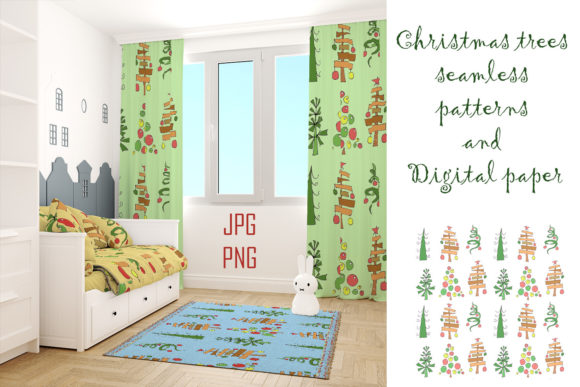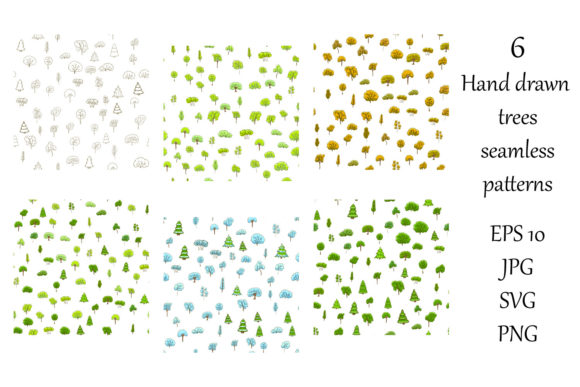
Seamless Patterns, Hand Drawn Trees
Seamless patterns featuring hand-drawn trees offer a unique blend of organic artistry and design versatility. These patterns combine the charm of handcrafted illustrations with the practicality of repeatable designs, making them ideal for a wide range of creative projects. Whether you're a designer, marketer, or hobbyist, understanding how to use and adapt these patterns can enhance your work in meaningful ways.
The appeal of hand-drawn tree patterns lies in their ability to bring warmth, character, and a personal touch to any design. Unlike highly stylized or digital-only graphics, these patterns capture the imperfections and nuances of real sketching, which can make your work feel more authentic and relatable.
What Makes Seamless Tree Patterns Unique
Seamless patterns are designed to repeat without visible seams, creating an endless, cohesive visual. When combined with hand-drawn tree illustrations, they add a natural, artistic element that can be used across various media. The hand-drawn aspect introduces variation and individuality, making each pattern feel one-of-a-kind while still maintaining a structured layout.
These patterns are particularly useful for backgrounds, textiles, packaging, and digital interfaces. They provide a subtle yet impactful way to incorporate nature into design, whether it's for a seasonal theme, branding project, or personal artwork.
Creative Applications and Use Cases
One of the most compelling aspects of seamless tree patterns is their adaptability. Here are a few practical applications:
- Seasonal Designs: Create patterns that reflect different seasons—spring blossoms, summer foliage, autumn leaves, and winter bare branches. This allows for dynamic, timely content that resonates with audiences.
- Brand Identity: Incorporate tree patterns into logos, stationery, or promotional materials to evoke growth, stability, and connection to nature.
- Print on Demand: Use these patterns for t-shirts, mugs, and other products, offering customers unique, nature-inspired items that stand out in the market.
- Interior Design: Apply patterns to wallpaper, fabric, or wall art to bring a natural aesthetic into living spaces or commercial environments.
Exploring Different Styles and Approaches
Hand-drawn tree patterns come in many styles, from minimalist line drawings to detailed, textured illustrations. Each style offers different possibilities for creative expression:
- Minimalist: Simple outlines and clean lines create a modern, elegant look. Ideal for professional or contemporary design projects.
- Watercolor-Inspired: Soft, blended textures mimic the look of watercolor paintings. Great for soft, dreamy aesthetics in branding or editorial work.
- Black and White: High contrast and sharp details make these patterns versatile for both digital and print use.
- Colorful: Vibrant hues add energy and personality. Perfect for children's products, playful branding, or seasonal campaigns.
Adapting Patterns for Different Audiences and Platforms
Understanding your audience and platform is key to effectively using seamless tree patterns. For example:
- For Educators: Use simple, clear patterns in classroom materials or educational resources to teach about nature, seasons, or art techniques.
- For Marketers: Integrate patterns into social media posts, email newsletters, or website banners to create visually engaging content that aligns with brand messaging.
- For Freelancers: Offer custom patterns as part of your design services, providing clients with unique assets that match their specific needs.
- For Small Businesses: Apply patterns to packaging, signage, or promotional items to create a cohesive, memorable brand identity.
Best Practices for Using Hand-Drawn Tree Patterns
To ensure your designs are effective and audience-friendly, consider the following tips:
- Keep It Clear: Avoid overcrowding patterns with too many elements. A balanced composition ensures readability and visual harmony.
- Maintain Consistency: Use a consistent style and color palette across all elements to reinforce the overall design theme.
- Optimize for Format: Choose the right file format based on your use case—JPG for web, PNG for transparent backgrounds, EPS or SVG for scalable vector graphics.
- Be Original: Customize patterns to reflect your unique vision rather than relying on generic templates. This helps your work stand out and feel more authentic.
Practical Inspiration and Recommendations
Here are a few ideas to spark your creativity:
- Seasonal Campaigns: Design a set of patterns for each season and use them in marketing materials, social media posts, or product packaging.
- DIY Projects: Print patterns on paper or fabric to create custom greeting cards, scrapbooks, or home decor items.
- Collaborations: Partner with artists or designers to create limited-edition patterns that can be sold or shared as part of a creative community.
- Interactive Content: Use patterns in digital formats like SVG to create interactive elements for websites or apps.
Conclusion: Embracing the Power of Hand-Drawn Tree Patterns
Seamless patterns featuring hand-drawn trees offer a powerful tool for creative professionals and enthusiasts alike. Their flexibility, aesthetic appeal, and practical applications make them valuable across a wide range of projects. By understanding how to use and adapt these patterns, you can elevate your work and connect with your audience in meaningful ways.