Seamless Patterns with Nettle Leaves for Creative and Practical Use
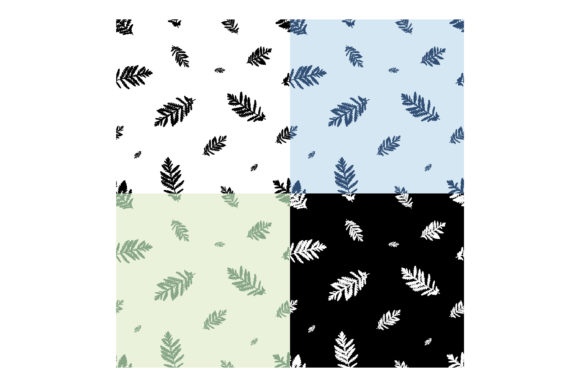
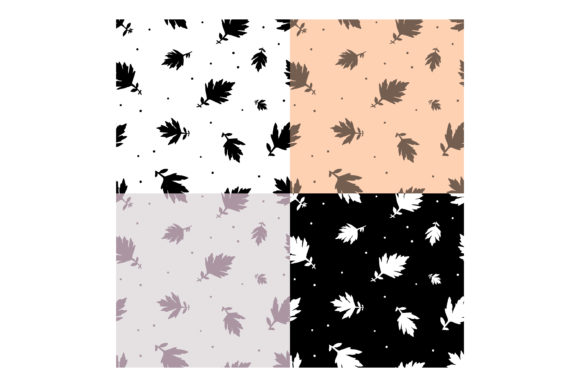
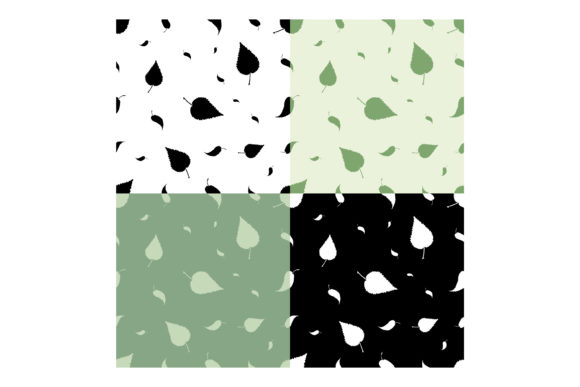
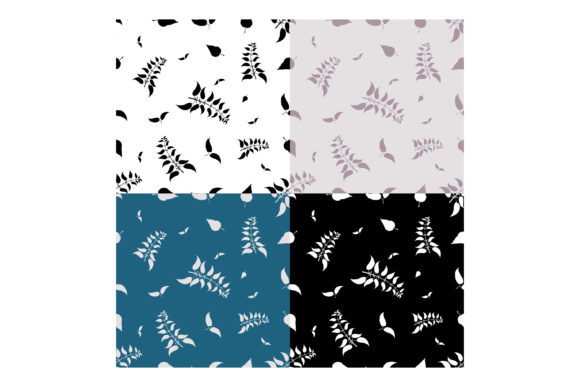
Seamless patterns with nettle leaves offer a unique blend of natural aesthetics and functional design. These patterns, often created as vector graphics, can be used in a variety of applications, from fabric printing to digital decoration. Their versatility makes them an essential tool for designers, artists, and creators looking to add organic elements to their work.
Understanding Seamless Patterns with Nettle Leaves
A seamless pattern is a repeating design that creates the illusion of an infinite surface without visible seams. When combined with the imagery of nettle leaves, these patterns take on a distinctive character. Nettle leaves, known for their serrated edges and intricate veins, provide a rich visual texture that can enhance any design project.
The use of nettle leaves in seamless patterns is particularly appealing for those who want to incorporate nature into their work. Whether you're designing textiles, packaging, or digital assets, these patterns offer a way to bring organic elements into your creative process.
Integration into Design Workflows
Seamless patterns with nettle leaves can be integrated at various stages of a design workflow. Before starting a project, they can serve as inspiration or reference points. During the design phase, they can be used as background elements or repeated motifs. After completion, they can be applied to final outputs such as printed materials or digital files.
For example, a textile designer might begin by exploring different nettle leaf patterns to determine which ones best suit their aesthetic. They could then incorporate these patterns into their fabric designs, ensuring consistency across multiple pieces. This approach helps maintain a cohesive look while allowing for creative experimentation.
Use Cases in Different Industries
- Fabric Design: Seamlessly repeating nettle leaf patterns are ideal for creating fabrics with a natural, earthy feel. They can be used in clothing, home decor, and accessories.
- Digital Art: Artists and illustrators can use these patterns as backgrounds or overlays in digital compositions, adding depth and texture to their work.
- Packaging: The organic look of nettle leaves can make packaging more visually appealing, especially for products related to nature, wellness, or eco-friendly initiatives.
- Graphic Design: In print and web design, these patterns can be used to create eye-catching layouts that stand out while maintaining a professional appearance.
Compatibility and Usability
When working with seamless patterns, it's important to consider compatibility with different design software and platforms. Most vector-based programs, such as Adobe Illustrator or Inkscape, support seamless patterns, making them easy to integrate into existing workflows.
Usability also depends on the quality of the pattern itself. A well-crafted seamless pattern should repeat smoothly without visible breaks or distortions. This ensures that the final output looks polished and professional, regardless of the application.
Practical Implementation Tips
To get the most out of seamless patterns with nettle leaves, start by selecting high-quality vector files. These files allow for scalability and clarity at any size, making them ideal for both small and large projects.
Before applying a pattern, test it in different contexts to ensure it works well with other design elements. For instance, if you're using the pattern as a background, check how it interacts with text or other graphics. Adjustments may be needed to maintain readability and visual balance.
Organizing your design assets is another key factor. Keep all your seamless patterns in a dedicated folder or library so they’re easily accessible when needed. This practice saves time and reduces the risk of errors during the design process.
Long-Term Use and Quality Control
Seamless patterns with nettle leaves can be used repeatedly across multiple projects, making them a valuable long-term resource. However, it’s important to maintain quality control to ensure consistency over time.
Regularly review your patterns for any issues, such as misalignment or distortion. If changes are needed, update the files accordingly. This helps maintain the integrity of your design work and ensures that your patterns continue to meet your standards.
Additionally, consider the source of your patterns. Using trusted resources or creating custom patterns can help avoid potential copyright issues and ensure that your designs remain original and unique.
Enhancing Workflow Efficiency
Incorporating seamless patterns with nettle leaves into your workflow can improve efficiency by reducing the need for repetitive tasks. Once a pattern is created or selected, it can be reused across multiple projects, saving time and effort.
For example, a graphic designer working on a series of marketing materials might use the same nettle leaf pattern across different designs. This not only streamlines the process but also reinforces brand identity through consistent visual elements.
Efficiency is also achieved by leveraging automation tools where possible. Some design software allows for the quick application of patterns, enabling users to focus more on creativity and less on technical details.
Conclusion
Seamless patterns with nettle leaves offer a practical and aesthetically pleasing solution for a wide range of design needs. By understanding their role in different workflows and implementing them effectively, creators can enhance their projects with natural, organic elements that resonate with audiences.